






Testing blood ketones is crucial in diabetes management, especially for people with type 1 diabetes, and those with type 2 diabetes who are:
- Insulin-dependent
- Following a low-carb or ketogenic diet
- Experiencing hyperglycemia (high blood sugar)
- Pregnant or planning pregnancy
Why test blood ketones?
- Detect ketosis: Ketones are acidic compounds produced when the body breaks down fat for energy instead of glucose.
- Prevent diabetic ketoacidosis (DKA): DKA is a life-threatening condition caused by high ketone levels.
- Monitor glucose control: Ketone testing helps adjust insulin doses and diet.
- Optimize energy sources: Ensures the body uses glucose effectively.
- Reduce risk of complications: Early detection of ketosis can prevent long-term damage.
Benefits of blood ketone testing
- Early detection of ketosis: Identifies potential issues before symptoms appear.
- Improved glucose control: Adjust insulin and diet to maintain optimal glucose levels.
- Reduced risk of DKA: Prompt treatment prevents severe complications.
- Enhanced insulin sensitivity: Monitoring ketones helps optimize insulin therapy.
- Personalized diabetes management: Informed decisions on diet, exercise, and medication.
When to test blood ketones
- During illness or stress
- When blood glucose is high (>250 mg/dL)
- When experiencing symptoms: nausea, vomiting, fatigue, or shortness of breath
- Before and after exercise
- When changing diet or medication
Target ketone ranges
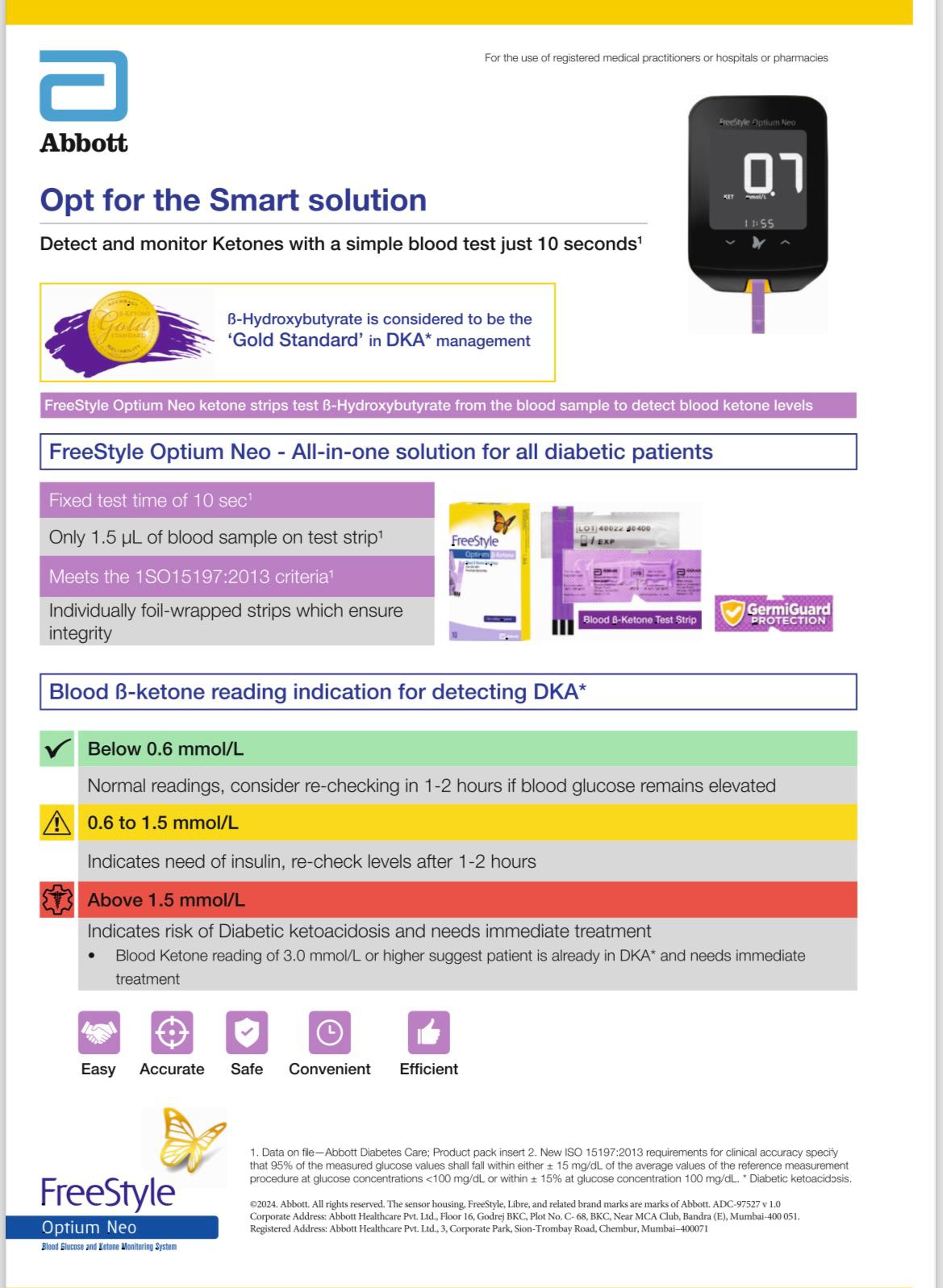
- Normal: <0.6 mmol/L
- Mild ketosis: 0.6-1.5 mmol/L
- Moderate ketosis: 1.6-3.0 mmol/L
- Severe ketosis: >3.0 mmol/L
Testing methods
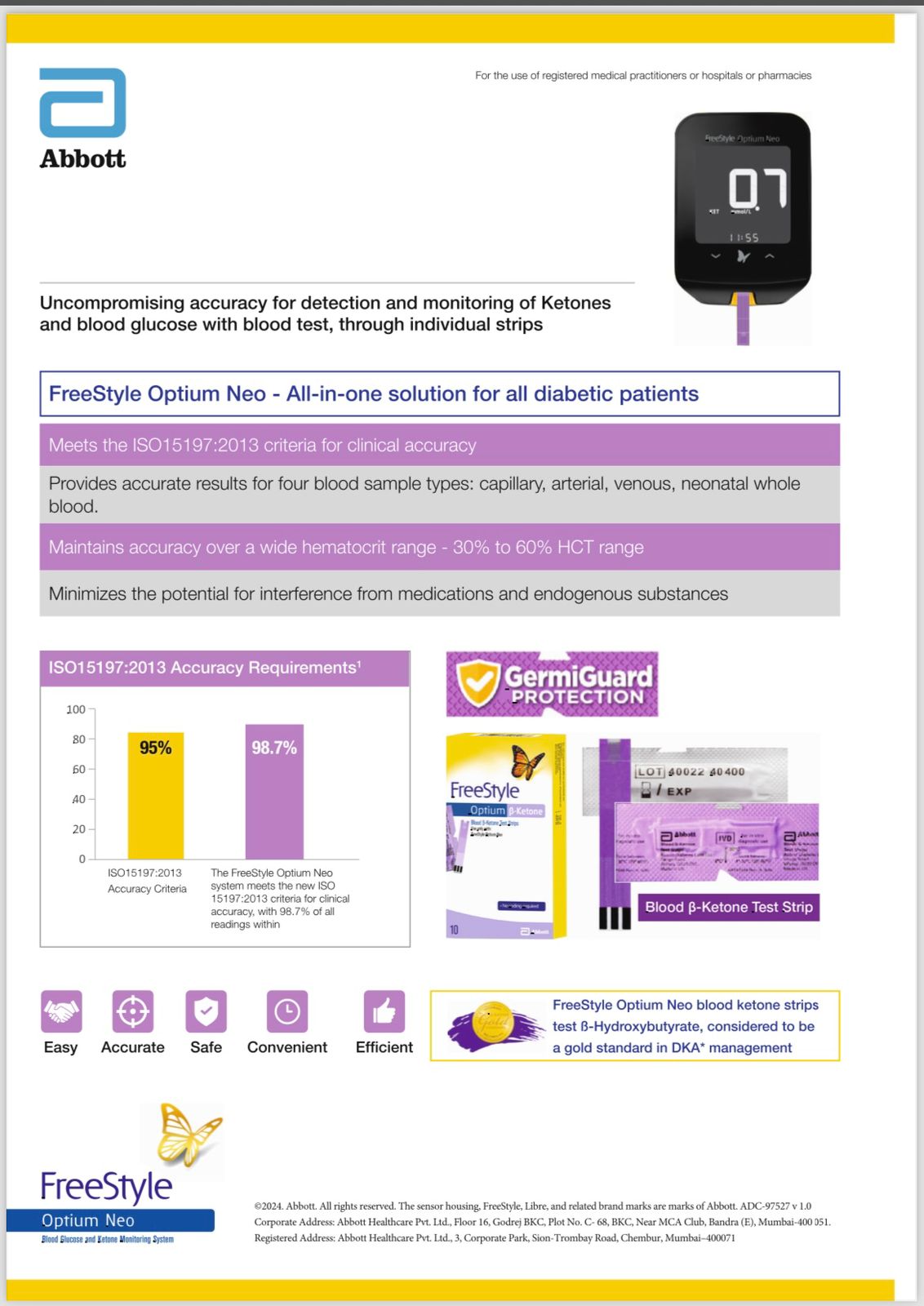
- Blood ketone meters: Measure β-hydroxybutyrate (BHB) levels.
- Urine ketone strips: Less accurate, but useful for screening.
Key considerations
- Consult a healthcare professional for personalized guidance.
- Use testing results to adjust diabetes management plan.
- Monitor ketones regularly to maintain optimal glucose control.
By incorporating blood ketone testing into diabetes management, individuals can optimize glucose control, prevent complications, and improve overall well-being.





Reviews
There are no reviews yet.